Introduction
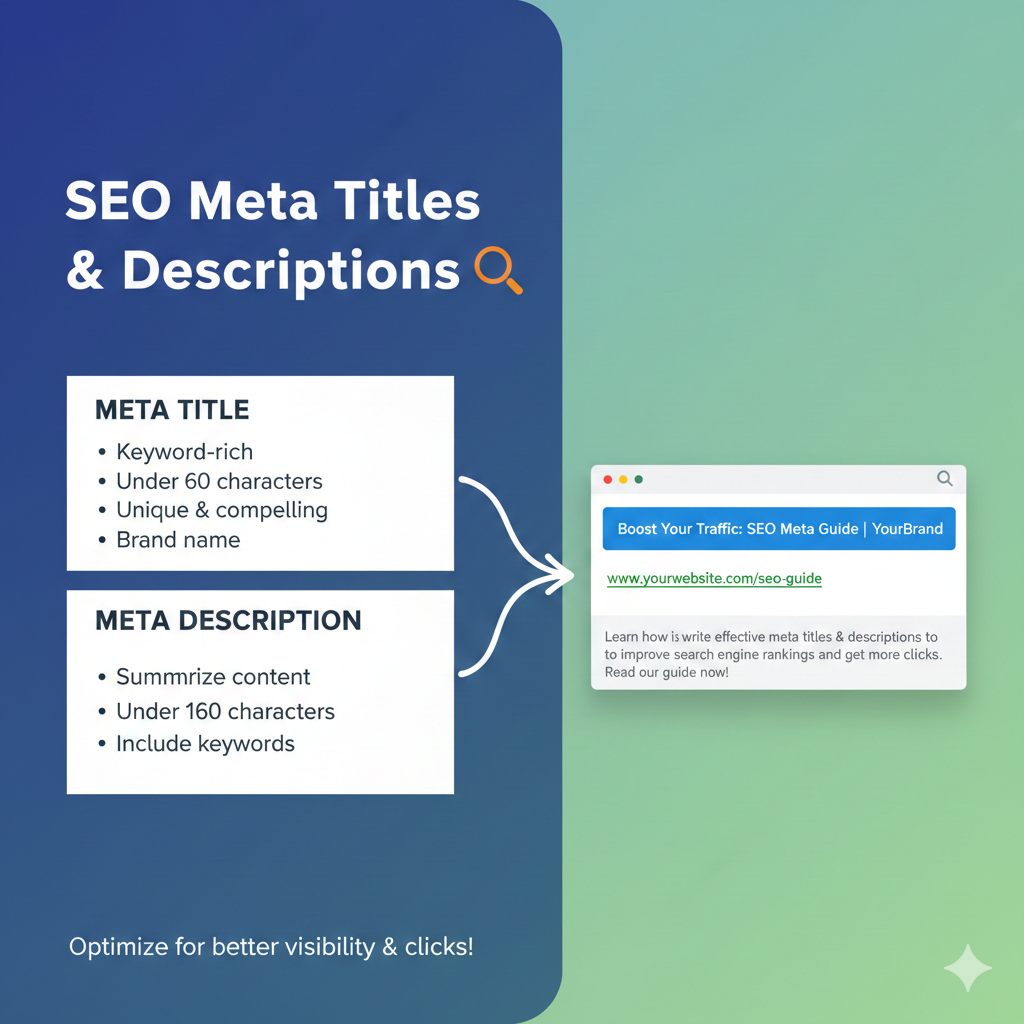
Prompt formats for SEO meta titles and descriptions matter more today because Google rewrites poor metadata aggressively. Many site owners still think meta tags are a place to “fit keywords,” but in real SERPs, titles are evaluated for clarity, intent match, and user usefulness—not density.
From practical SEO work, one pattern keeps repeating: pages with solid content still underperform because their meta titles and descriptions don’t reflect what users are actually looking for. AI can help here—but only if prompts are framed correctly.
This guide explains how to use prompt formats that generate click-worthy, SERP-aligned meta titles and descriptions, avoid common AI mistakes, and maintain editorial control.
What makes a good SEO meta title in 2025
A strong meta title does three things:
Signals intent clearlyr
AI works best when you ask it to analyze intent, not invent hooks.
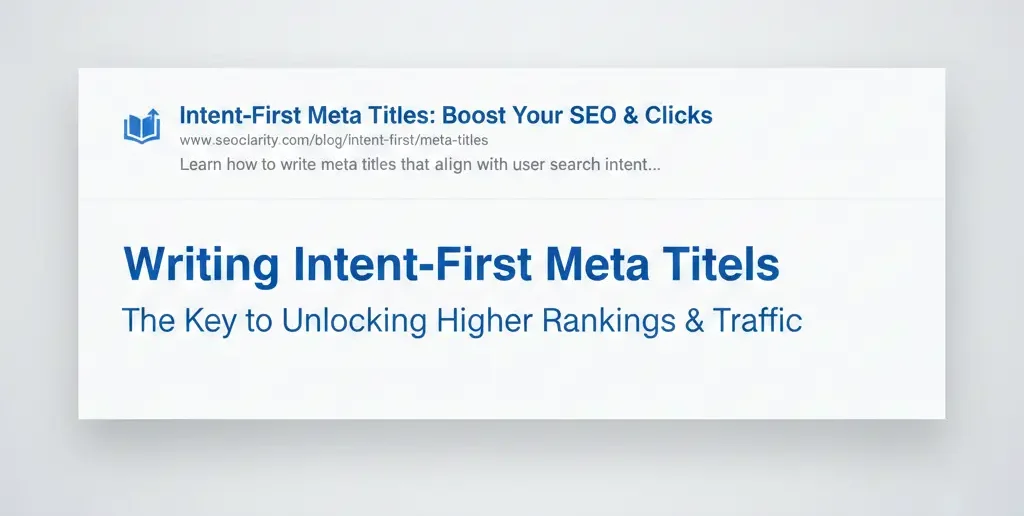
Prompt format: Writing intent-first meta titles
Core prompt for meta titles
“Write 5 SEO meta titles for [page topic]that match informational search intent. Keep them under 60 characters. Avoid hype, emojis, or exaggerated claims.”
Why this works:
It constrains tone, length, and intent—three things AI often ignores without guidance.
Prompt format: Writing descriptions that support clicks (not fluff)
Meta descriptions don’t rank directly—but they influence click behavior.
Core prompt for meta descriptions
“Write 3 meta descriptions (150–160 characters) that clearly explain what the page helps the reader understand. Use natural language and avoid repeating the title.”
From experience, this produces descriptions that feel human instead of auto-generated.
[Expert Warning]
Letting AI write meta tags without character constraints often leads to truncation, repetition, or vague filler text—none of which help CTR.
Practical examples: Good vs bad AI-generated metadata
| Example | Result | Why |
| “Best SEO Tips for Ranking Fast” | Weak | Vague, clickbait |
| “SEO Meta Titles Explained for Beginners” | Strong | Clear intent |
| “Learn SEO Meta Titles & Descriptions Now” | Weak | No value clarity |
| “How SEO Meta Titles & Descriptions Work” | Strong | Informational match |
AI improves when shown why something works—not just asked to write.
Common mistakes when using AI for meta titles & descriptions
Mistake 1: Repeating the exact keyword everywhere
This often triggers Google rewrites.
Fix:
Use semantic phrasing and intent-focused language.
Mistake 2: Writing meta descriptions like ads
This reduces trust.
Fix:
Explain, don’t persuade aggressively.
Information Gain: Why Google rewrites meta titles
A key SERP gap most articles ignore:
Google rewrites meta titles when they don’t accurately represent the page.
From real audits, rewrites usually happen when:
Titles are too long or vague
Descriptions repeat titles
Intent doesn’t match on-page content
Prompt: Rewrite-prevention check
“Review this meta title and description. Explain whether they accurately reflect the page content and suggest a clearer alternative if not.”
This keeps metadata aligned with reality

Myth vs Reality
Myth: AI always writes bad meta titles
Reality: AI writes bad meta titles when prompts lack intent and limits
Prompt framing—not the tool—is the deciding factor.
(FAQS)
Do meta titles still matter for SEO?
Yes. They influence relevance and click behavior.
Can AI write meta titles safely?
Yes, with clear constraints and review.
How long should meta titles be?
Usually under 60 characters.
Should meta descriptions include keywords?
Naturally, but not forcibly.
Why does Google change my titles?
Usually due to mismatch or poor clarity.
How often should meta tags be updated?
When intent, SERPs, or content changes.
Conclusion
Prompt formats for SEO meta titles and descriptions work best when they focus on clarity, intent, and accuracy. From real-world experience, metadata succeeds when it reflects the page honestly—not when it tries to “sell” it.
With the right prompts and human oversight, AI becomes a reliable assistant for metadata—helping pages stand out without triggering rewrites or trust issues.
Internal link
https://aidcanvas.com/index.php/2026/01/08/internal-linking-prompts-for-seo-architecture/
External link
https://www.reliablesoft.net/chatgpt-prompts/seo/meta-description-prompt-for-chatgpt/?